
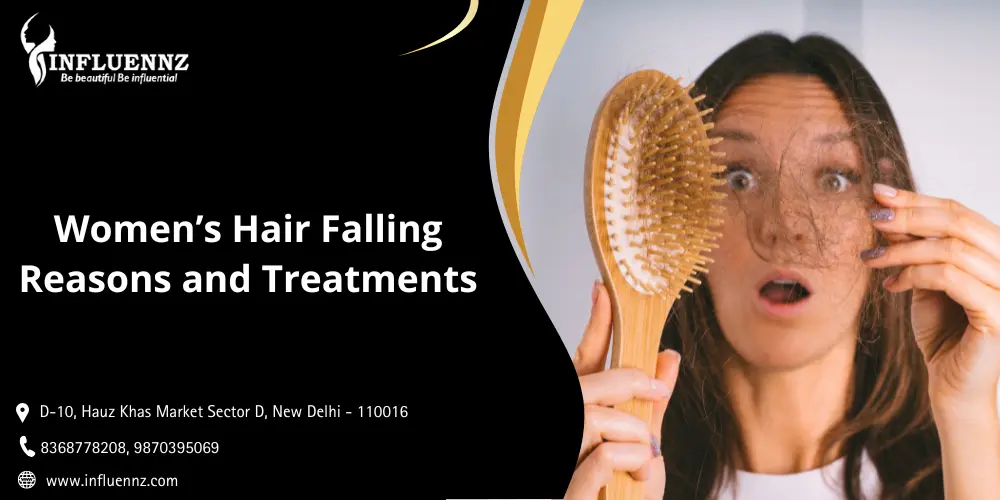
Hair has long been regarded as one of the most significant symbols of beauty and confidence for women. But in today’s time, hair fall is no longer just a man’s concern. Increasingly, women across all age groups are experiencing excessive hair loss — leading to thinning, reduced volume, and emotional stress. Unlike male pattern baldness, which is largely genetic, women’s hair fall can be caused by a variety of factors ranging from lifestyle to medical conditions.
If you are experiencing unusual hair shedding, it’s important to understand the underlying reasons first, so that the right treatment can be chosen. In this blog, we will cover the common causes of hair fall in women and the effective treatments available.
Common Reasons for Hair Fall in Women
1. Hormonal Changes
- Women experience hormonal shifts during pregnancy, postpartum, menopause, or even due to conditions like PCOS (Polycystic Ovary Syndrome).
- Estrogen and progesterone fluctuations can trigger temporary or chronic hair thinning.
2. Nutritional Deficiencies
- A Lack of iron, vitamin D, biotin, protein, and other essential nutrients can directly affect hair health.
- An unbalanced diet or sudden weight loss often contributes to hair loss.
3. Stress and Lifestyle
- Emotional stress, lack of sleep, and an unhealthy lifestyle can disrupt the natural hair growth cycle.
- Physical stress, such as illness, surgery, or crash dieting, can also cause temporary hair shedding (telogen effluvium).
4. Thyroid Disorders
- Both hypothyroidism and hyperthyroidism can lead to excessive hair thinning in women.
- The imbalance slows down hair growth and results in weak and brittle strands..
5. Excessive Styling and Chemical Damage
- Frequent use of hair dryers, straighteners, dyes, and chemical treatments weakens hair roots.
- Tight hairstyles (ponytails, braids) cause traction alopecia, leading to receding hairlines.
6. Scalp Infections and Skin Conditions
- Dandruff, fungal infections, seborrheic dermatitis, or psoriasis can weaken hair follicles.
7. Genetics
- Although more common in men, women, too can inherit hair-thinning genetics
- (female pattern baldness).
- Usually results in widening part lines and reduced density rather than complete baldness.
8. Medications and Medical Treatments
- Certain drugs for blood pressure, depression, chemotherapy, and birth control pills may cause hair loss as a side effect.
Effective Treatments for Women’s Hair Fall
The treatment depends on the underlying cause. Here are some proven and dermatologist-recommended solutions:
1. Dietary and Lifestyle Changes
- Adopt a balanced diet rich in protein, leafy greens, nuts, eggs, and omega-3 fatty acids.
- Stay hydrated and reduce processed foods.
- Regular exercise and stress management techniques like yoga may help in maintaining hormonal balance.
2. Supplements
- Iron, biotin, vitamin D, and omega-3 supplements are commonly prescribed.
- Always consult a doctor before starting supplements.
3. Topical Treatments
- Minoxidil (2%–5%) is FDA-approved for women and helps stimulate hair growth.
- Anti-dandruff shampoos or medicated lotions may be recommended for scalp infections.
4. PRP (Platelet-Rich Plasma) Therapy
- PRP hair treatment involves injecting the patient’s own platelets into the scalp to promote natural hair regrowth.
- Especially effective for early-stage hair thinning.
Need to Know: Can PRP Regrow Hair? An Honest & Complete Guide
5. Laser Therapy
- Low-level laser therapy (LLLT) stimulates follicles and improves density over time.
6. Medications for Hormonal Issues
- For PCOS or thyroid-related hair fall, doctors may suggest hormonal treatments or thyroid medication.
7. Hair Transplant or Advanced Procedures
- In severe cases of female pattern baldness, hair transplant surgery or exosome therapy can restore lost hair.
8. Ayurvedic and Natural Remedies
- Herbal oils (like rosemary, bhringraj, or onion oil) are popular for strengthening roots.
- Though results vary, they work best when combined with medical treatments.
When Should Women See a Dermatologist?
You should seek medical help if:
- Hair fall is sudden and excessive.
- You notice bald patches or a widening hair part.
- Hair loss is accompanied by fatigue, weight gain, or hormonal symptoms.
- Home remedies have not worked after 2–3 months.
Final Thoughts
Women’s hair fall is not just a cosmetic issue — it can deeply affect self-esteem and confidence. The good news is that with timely diagnosis and the right treatments, most cases of hair loss can be controlled or even reversed. Since every woman’s hair fall reason is unique, consulting a qualified dermatologist or trichologist is the best first step to finding a personalized solution.
No waiting. No travel. Just expert skin and hair guidance at your fingertips.
📞 Call or WhatsApp: 8368778208, 9870395069
Healthy hair is not just about beauty — it’s a reflection of your inner health.