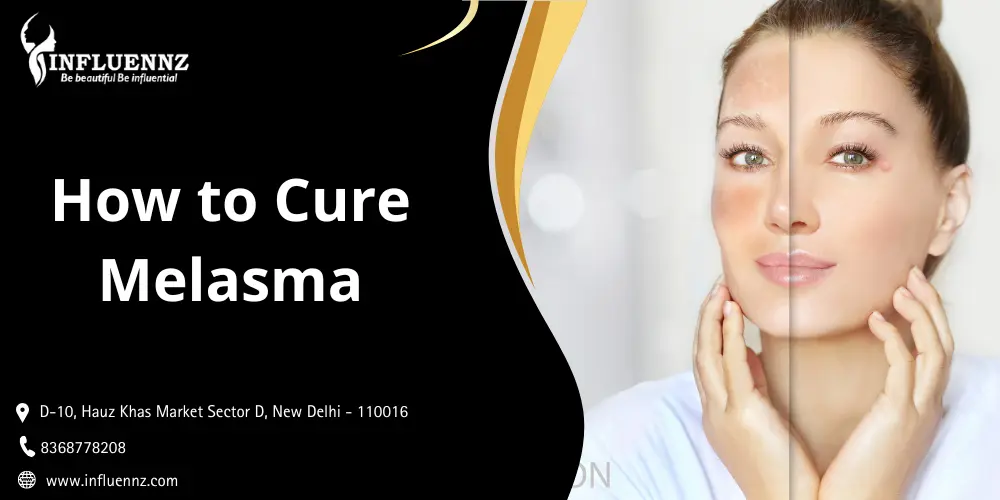
Melasma is one of the most stubborn pigmentation issues—especially when it appears on the cheeks, forehead, or upper lip. Many people search for ways to get rid of melasma on the face because it doesn’t just affect appearance—it impacts confidence.
Patients often try trending remedies, DIY masks, and expensive creams, but melasma rarely improves without the right medical approach.
So, can melasma be cured?
Yes, it can be significantly treated and controlled with the right combination of professional treatments and internal care.
Let’s understand how.
What Causes Melasma and Why Does It Keep Coming Back?
Melasma happens due to overactive melanocytes—the pigment-producing cells. But the real issue is deeper:
- hormonal imbalance
- chronic inflammation
- UV exposure
- heat
- genetics
- damaged skin barrier
This is why many people ask, “How do I cure melasma from the inside?”
Internal factors like hormones, stress, and inflammation play a major role, which is why internal correction (diet, lifestyle, supplements) + external treatments give the best results.
How to Get Rid of Melasma on the Face: Start With the Correct Treatment
To fade melasma safely, you need treatments that calm inflammation, break pigmentation, and strengthen the skin.
The most effective dermatology treatments today are:
Top Melasma Treatments That Actually Work
Laser Toning
Laser Toning is one of the most reliable treatments to lighten facial melasma. It gently breaks pigmentation and evens out the skin tone without causing heat damage.
Benefits:
- Brightens skin gradually
- Reduces stubborn patches
- Safe for Indian skin
- Improves tone and clarity
How much does laser treatment for melasma cost?
Laser Toning prices vary depending on:
- clinic
- city
- laser technology
- number of sessions needed
But generally, melasma laser sessions in Delhi range between ₹2,500 to ₹10,000 per session, with visible results after 4–6 sessions.
Spotless Peel
Spotless Peel helps exfoliate the superficial layer of pigmented cells.
Ideal for:
- early-stage melasma
- uneven skin tone
- dullness
- sun-induced pigmentation
It works beautifully when alternated with Laser Toning.
PRP for Melasma (Internal Healing + External Improvement)
PRP reduces inflammation and strengthens the skin’s healing response.
Why it works well:
- Targets internal inflammation (a major melasma trigger)
- Helps rebuild healthier skin
- Reduces relapse risk
- Supports laser and peel results
This is one of the closest treatments to curing melasma “from the inside” because it regulates cellular activity, not just surface pigment.
Skin Boosters
Melasma often worsens because of a damaged, dehydrated skin barrier.
Skin Boosters fix this by improving:
- hydration
- firmness
- barrier strength
- resistance to pigmentation
Stronger skin = fewer melasma flare-ups.
If you’re struggling with melasma and want a treatment that truly works, a personalized melasma plan using Laser Toning, Spotless Peel, PRP, and Skin Boosters can drastically improve your skin.
At Influennz Clinic, we assess melasma depth, triggers, and skin type to create a treatment routine that fits your needs—safely and effectively.
No waiting. No travel. Just expert skin guidance at your fingertips.
📞 Call or WhatsApp: 8368778208, 9870395069
How to Cure Melasma From the Inside (Lifestyle + Internal Healing)
Internal care is just as important as external treatments.
✔ Reduce inflammatory foods
Sugar, processed foods, and deep-fried items worsen melasma.
✔ Include antioxidant-rich foods
Berries, spinach, pomegranate, and green tea.
✔ Balance hormones
If you have PCOS or thyroid issues, treating them reduces melasma flare-ups.
✔ Manage stress
Cortisol directly worsens pigmentation.
✔ Supplements (if recommended)
- Glutathione
- Vitamin C
- Omega-3
- Collagen peptides
- Tranexamic acid (oral, only under supervision)
This combination of internal + external healing creates long-lasting melasma control.
Home Remedies vs. Professional Melasma Care
Most home remedies—like lemon juice, turmeric, toothpaste, or raw milk—cause irritation and can actually make melasma darker.
Safe at-home options:
- Niacinamide
- Azelaic acid
- Kojic acid
- Vitamin C
But these cannot replace clinical treatments.
How to Maintain Melasma Results
Melasma returns if not maintained. So after treatment:
- Use SPF 50 daily
- Prefer tinted sunscreen for blue-light protection
- Avoid heat exposure (steam, ovens, long cooking)
- Follow a dermatologist-approved routine
- Continue maintenance sessions when needed
Consistency = long-term results.
Conclusion
Melasma may be stubborn, but it is absolutely treatable with the right approach.
Combining internal correction (diet, hormones, lifestyle) with professional treatments like Laser Toning, Spotless Peel, PRP, and Skin Boosters gives the best—and safest—results.
With patience, consistency, and guided care, you can reclaim clearer, brighter, and more even-toned skin.
FAQs on Melasma
1. Does melasma go away on its own?
Not usually.
Melasma is a chronic pigmentary condition influenced by UV exposure, hormones, heat, genetics, and inflammation.
- Some people may notice mild fading when triggers—like sun exposure or pregnancy hormones—reduce.
- But complete disappearance without treatment is uncommon.
Dermatological treatments, such as laser toning, PRP, Spotless Peel, and skin boosters, can significantly help control and lighten melasma in the long term.
2. Can hair dye cause melasma?
Not directly, but it can trigger irritation-based pigmentation.
Hair dyes don’t cause true melasma, but they may cause:
- Allergic reactions or irritant dermatitis, leading to inflammation
- This inflammation can darken skin in already-susceptible individuals (a condition called post-inflammatory hyperpigmentation, not melasma)
So hair dye doesn’t cause melasma, but it can worsen pigmentation near the forehead or hairline if irritation occurs.
3. Does melasma go away after pregnancy?
Sometimes it improves, but it rarely disappears completely without treatment. Pregnancy-related melasma (also called chloasma) often fades in the months after delivery as hormones stabilize.