
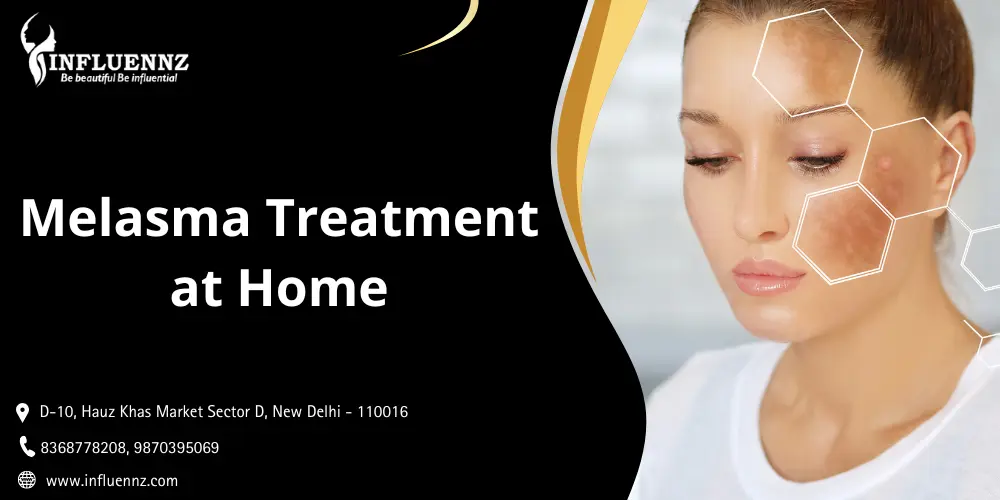
Melasma is one of the most stubborn and emotionally distressing skin conditions, especially when it appears on the face. If you’re someone who has typed “melasma treatment at home” into a search bar, chances are you’re already frustrated by the brown or greyish-brown patches that refuse to fade, even with over-the-counter creams and endless skincare products. But is it possible to treat melasma naturally at home? Or is professional dermatological care the only solution?
In this blog, we’ll dive into the real causes, symptoms, home remedies, skincare tips, and when you should seek help from a skin specialist. We’ll also clarify how to treat melasma naturally on the face, how to remove melasma from the face, and how to cure melasma permanently, because one size doesn’t fit all when it comes to pigmentation.
Understanding Melasma: What Is It?
Melasma is a common skin disorder that leads to symmetrical hyperpigmented patches, usually on the cheeks, forehead, upper lip, and nose. It’s most common in women, particularly those with medium to darker skin tones, and is often triggered by hormonal changes, sun exposure, genetics, or even stress.
Who Suffers from Melasma?
Melasma is more prevalent in:
- Women aged 20–50
- Pregnant women (often called the “mask of pregnancy”)
- People taking oral contraceptives or hormone replacement therapy
- Individuals with excessive sun exposure
- People with darker skin types (Fitzpatrick skin types III–V)
Symptoms of Melasma
- Irregularly shaped, flat brown or grey-brown patches
- Commonly appears on the cheeks, nose bridge, forehead, and upper lip
- Not painful or itchy, but emotionally distressing
Melasma Treatment at Home: Is It Effective?
When searching “melasma treatment at home,” many are hoping for natural and affordable ways to lighten these patches. While home remedies can help manage mild melasma, they do not offer a permanent cure, especially for moderate to severe cases. Here’s what you can try:
Home Remedies for Melasma
1. Aloe Vera Gel
Rich in aloin and antioxidants, aloe vera helps lighten pigmentation and soothe inflammation.
2. Apple Cider Vinegar (ACV)
Contains acetic acid, which may help lighten dark spots. Mix with water (1:1 ratio) and apply as a toner.
3. Turmeric Mask
Turmeric has anti-inflammatory properties and may slow melanin production. Mix with yogurt or honey for a gentle face mask.
4. Licorice Extract
Known to inhibit melanin production. Found in some natural serums or can be applied topically via herbal packs.
5. Green Tea Extract
Its antioxidant properties help improve skin tone and reduce pigmentation when used regularly.
Caution: Home remedies may take weeks or months to show minor results, and incorrect usage can sometimes worsen pigmentation. Always do a patch test.
Explore more topics: Treatments for Open Pores on the Face
Skincare Routine for Melasma
Creating a melasma-friendly skincare routine is crucial to prevent flare-ups and support treatment.
Morning Routine:
- Gentle Cleanser – Avoid harsh exfoliants.
- Vitamin C Serum – Helps brighten skin and reduce dark spots.
- Hydrating Moisturizer – Maintains a healthy skin barrier.
- Broad-Spectrum Sunscreen (SPF 50+) – Daily, even indoors!
Night Routine:
- Cleanser – Remove makeup and pollution.
- Niacinamide or Kojic Acid Serum – Helps lighten pigmentation.
- Retinol (start with low strength) – Boosts cell turnover.
- Night Cream – Choose one with ceramides or peptides.
Melasma Skincare Tips
- Never skip sunscreen. UV rays are the top trigger for melasma.
- Avoid hot showers or harsh scrubbing.
- Choose fragrance-free products to prevent irritation.
- Incorporate antioxidants like Vitamin C and E.
- Hydrate well – inside and out!
Melasma Dermatological Treatments: When Home Remedies Aren’t Enough
If you’ve tried everything at home and still wonder how to cure melasma on the face permanently, it’s time to consult a dermatologist. A professional can recommend:
1. Topical Prescription Creams
- Hydroquinone
- Tretinoin
- Azelaic Acid
2. Chemical Peels
Glycolic acid and salicylic acid peels help in reducing pigmentation.
3. Laser or Light-Based Treatments
Low-energy lasers like Q-switched Nd: YAG can reduce melanin, but this must be done by trained dermatologists.
4. Microneedling with PRP
Encourages collagen and pigment reduction.
Remember: Melasma can’t always be “cured permanently,” but with consistent care and dermatologist support, it can be well-controlled and visibly reduced.
Contact us for skin and hair concern
📞 Call or WhatsApp: 8368778208, 9870395069
Final Thoughts: Can You Cure Melasma at Home?
The answer is: partially. While melasma treatment at home can help lighten pigmentation and prevent new patches, a permanent solution usually requires medical intervention. That being said, the combination of a tailored skincare routine for melasma, sun protection, and natural remedies can go a long way in keeping your skin clear and radiant.
FAQs
1. How to cure melasma permanently?
There’s no guaranteed permanent cure, but consistent dermatologist treatment and sun protection can control it in the long term.
2. How to treat melasma on the face naturally?
Use ingredients like aloe vera, turmeric, and green tea extract, but the results are slow and limited.
3. What is the best skincare routine for melasma?
A routine with antioxidants, retinoids, gentle cleansers, and daily sunscreen works best.