
Best Hair Transplant in Delhi
Hair loss can affect both your confidence and overall appearance, but choosing the best hair transplant doctor in Delhi can make all the difference. Dr. Geetika Srivastava (AIIMS, MD) is recognized among the top hair transplant specialists in Delhi, with 10+ years of expertise in delivering safe, precise, and natural-looking results. Her advanced techniques and personalized approach ensure a permanent solution tailored to your hair type and goals.
Our team typically responds within 1 hour
Dr. Geetika Srivastava personally evaluates every patient’s donor area and hair loss pattern before recommending a hair transplant in Delhi, since the right technique depends entirely on your specific scalp condition, not a default protocol. As an AIIMS-trained dermatologist and hair transplant specialist in South Delhi with over a decade of experience, she has performed procedures across the full range of hair loss grades, from early receding hairlines to advanced baldness requiring careful donor management, always starting with an honest assessment of what your donor supply can realistically achieve.
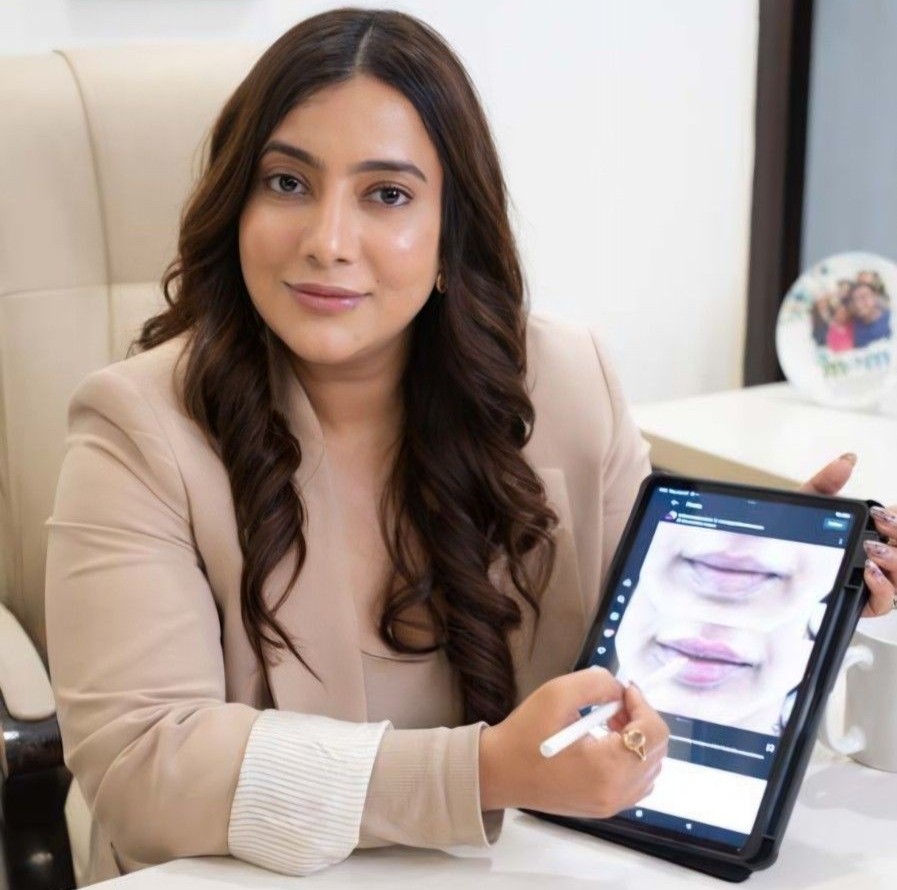
Dr. Geetika Srivastava
MD (AIIMS) | Dermatologist | Hair Transplant Specialist
Trusted by 10,000+ patients across Delhi NCR, Dr. Geetika is recognized among the best hair transplant surgeons in Delhi for delivering natural-looking, long-lasting hair restoration results. With 10+ years of dermatology expertise, AIIMS-trained medical excellence, advanced scalp and donor area analysis, and precision-driven transplant techniques, every treatment is personalized to ensure maximum graft survival, natural hairline design, and high patient satisfaction.
Choose Your Hair Transplant Method
Each technique is tailored to your hair condition and coverage goals — our expert will guide you to the best option.
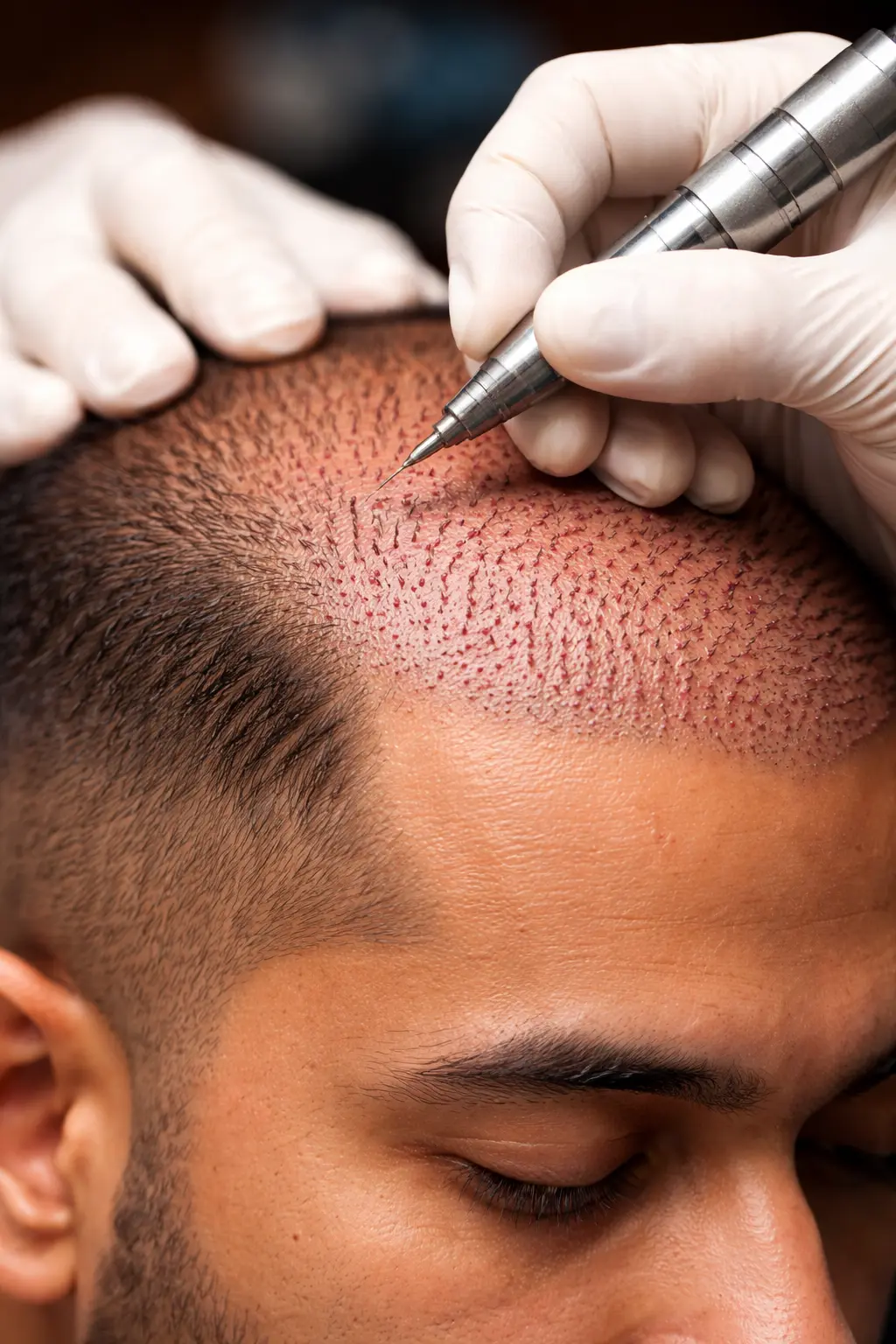
Follicular Unit Extraction
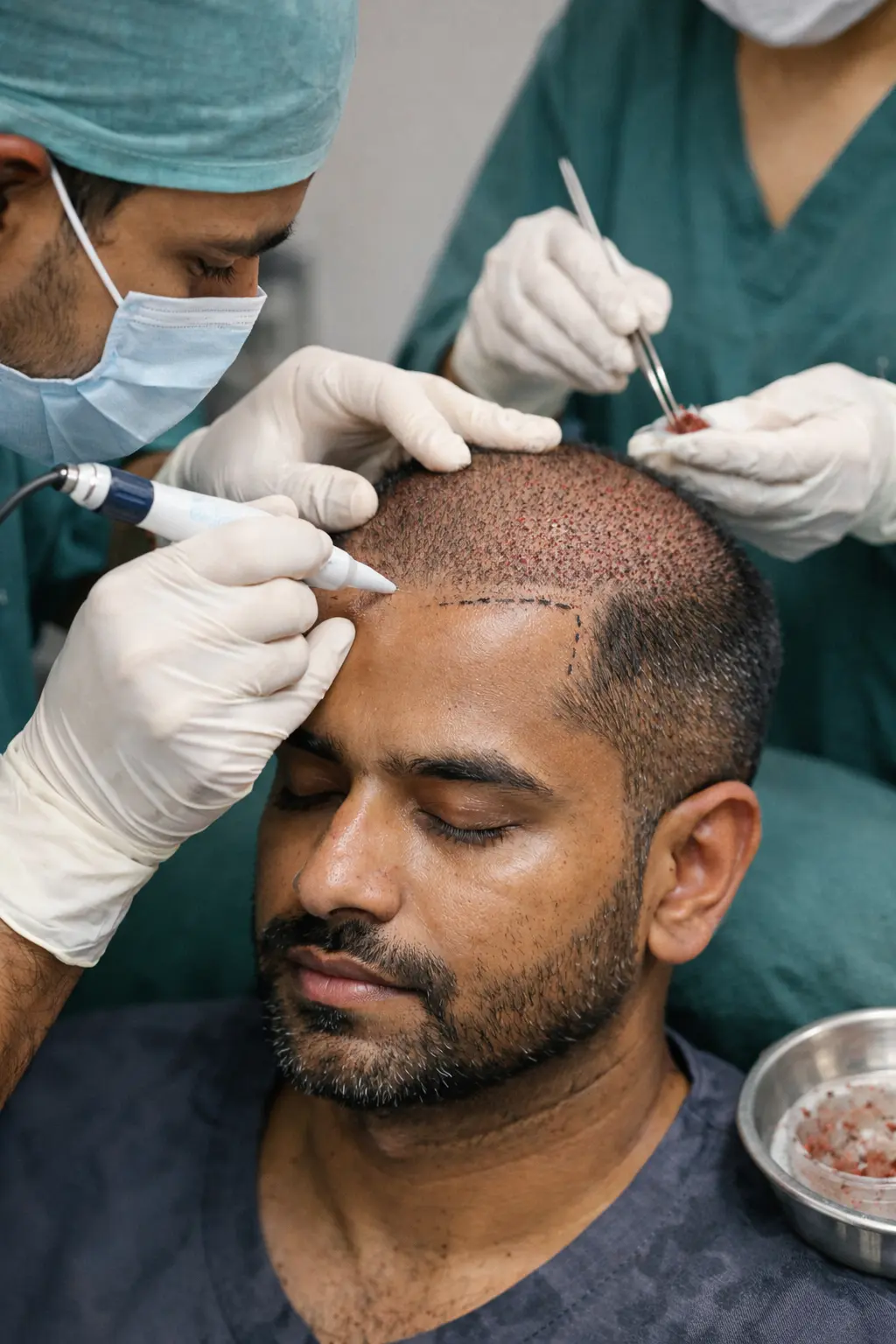
Direct Hair Implantation
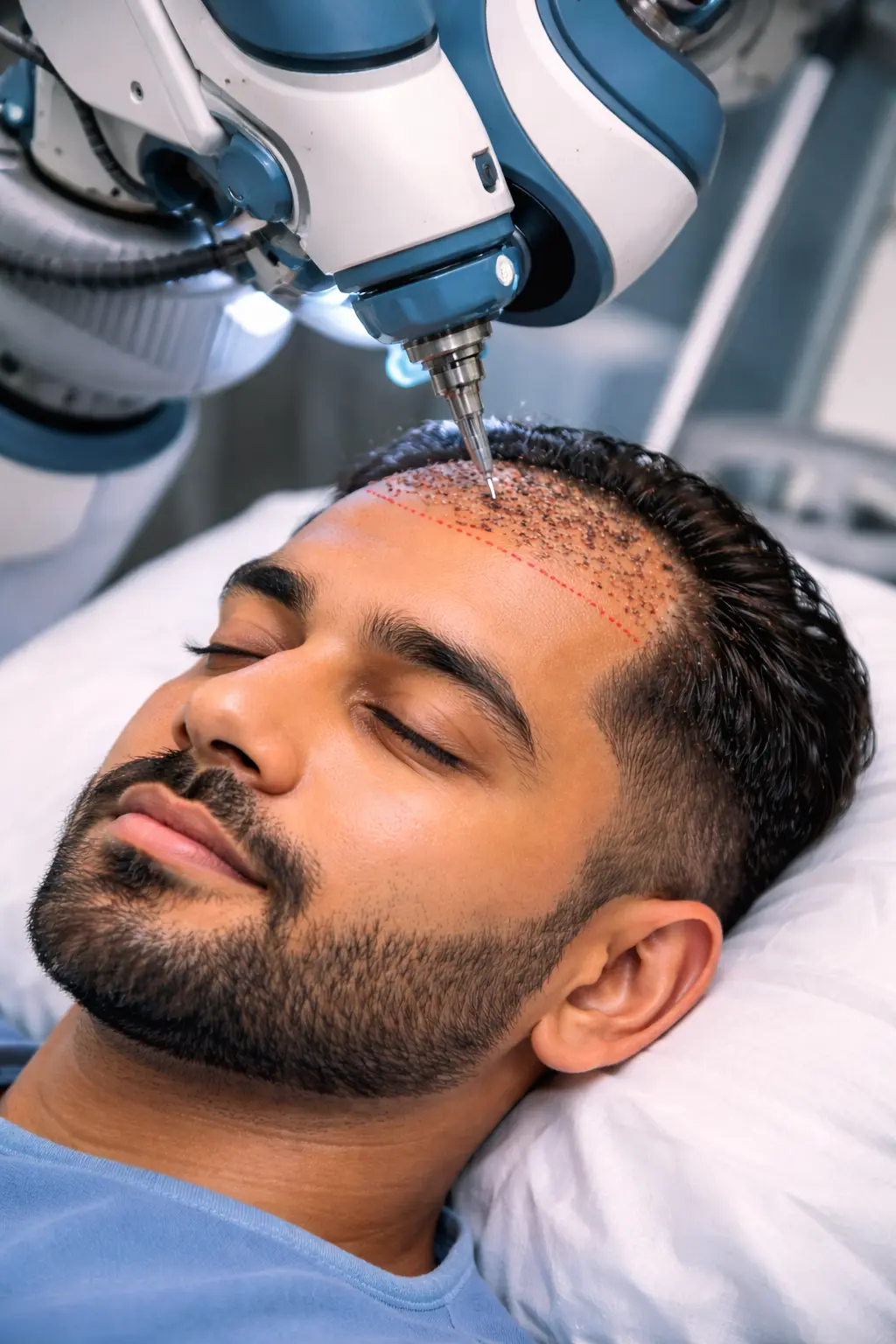
Robotic Hair Transplant
Who Is a Good Candidate for Hair Transplant?
Not everyone considering hair transplant in Delhi is automatically a suitable candidate, and a proper evaluation before booking matters more than most patients realise.
Good candidates typically have:
- A stable, sufficient donor area (usually the back and sides of the scalp) that hasn’t been affected by the same balding pattern
- Realistic expectations about density and natural-looking coverage rather than expecting a teenage hairline back
- Hair loss that has stabilised, or is being medically managed alongside the transplant, since transplanting into an area of ongoing, unmanaged loss can affect long-term results
- Generally good health, without conditions that affect wound healing or graft survival
Advanced baldness (fully bald on top):
Hair transplant in Delhi can still work here, but results depend heavily on donor area supply. If you don’t have enough donor hair to cover a very large area at the density you want, your surgeon should tell you this honestly rather than promising more coverage than your donor supply can realistically support.
Age considerations:
There’s no strict upper age limit, but hair loss pattern needs to be reasonably stable first. Very young patients (early 20s) are sometimes advised to wait, since hair loss that’s still actively progressing can create an odd result if transplanted hair sits alongside natural hair that continues thinning around it.
A proper scalp and donor area assessment is the only reliable way to confirm whether you’re a good candidate, not a quick look at photos or a phone consultation.
Hair Transplant for Women
Hair transplant in Delhi is often discussed as though it’s exclusively a male procedure, but it’s a genuinely effective option for women too, particularly for those dealing with a receding hairline, thinning at the crown, or hair loss following trauma, surgery, or scarring alopecia.
The key difference in approach is that female hair loss is more often diffuse (spread across the scalp) rather than the patterned baldness typical in men, which means donor area assessment needs extra care, there needs to be a genuinely stable, unaffected area to harvest from. This is why a hormonal and dermatological evaluation is especially important for women before proceeding, since conditions like PCOS or thyroid dysfunction can affect both candidacy and how well the transplant holds up over time. Women considering a hair transplant in Delhi should expect this fuller evaluation as standard, not an afterthought.
Preparing for Your Hair Transplant: Pre-Op Checklist
A few weeks of preparation genuinely improve how smoothly your procedure and recovery go:
Stop smoking and minimise alcohol, both affect circulation and healing
Avoid blood-thinning medication and supplements (aspirin, ibuprofen, vitamin E, fish oil) unless prescribed and necessary
Avoid haircuts that would complicate donor area marking, and keep your scalp free of any new chemical treatments or colouring
Get a full night’s sleep and avoid alcohol entirely
Wash your hair, eat a light meal beforehand, and wear a shirt that doesn’t need to go over your head afterward
Your surgeon will confirm any additional, personalised preparation steps during your pre-procedure consultation, particularly around current medications or existing health conditions. It’s also worth planning your work and social schedule around the first week to ten days post-procedure, since this is when the scalp looks most visibly treated, even though most patients report the actual discomfort as far more manageable than they expected going in.
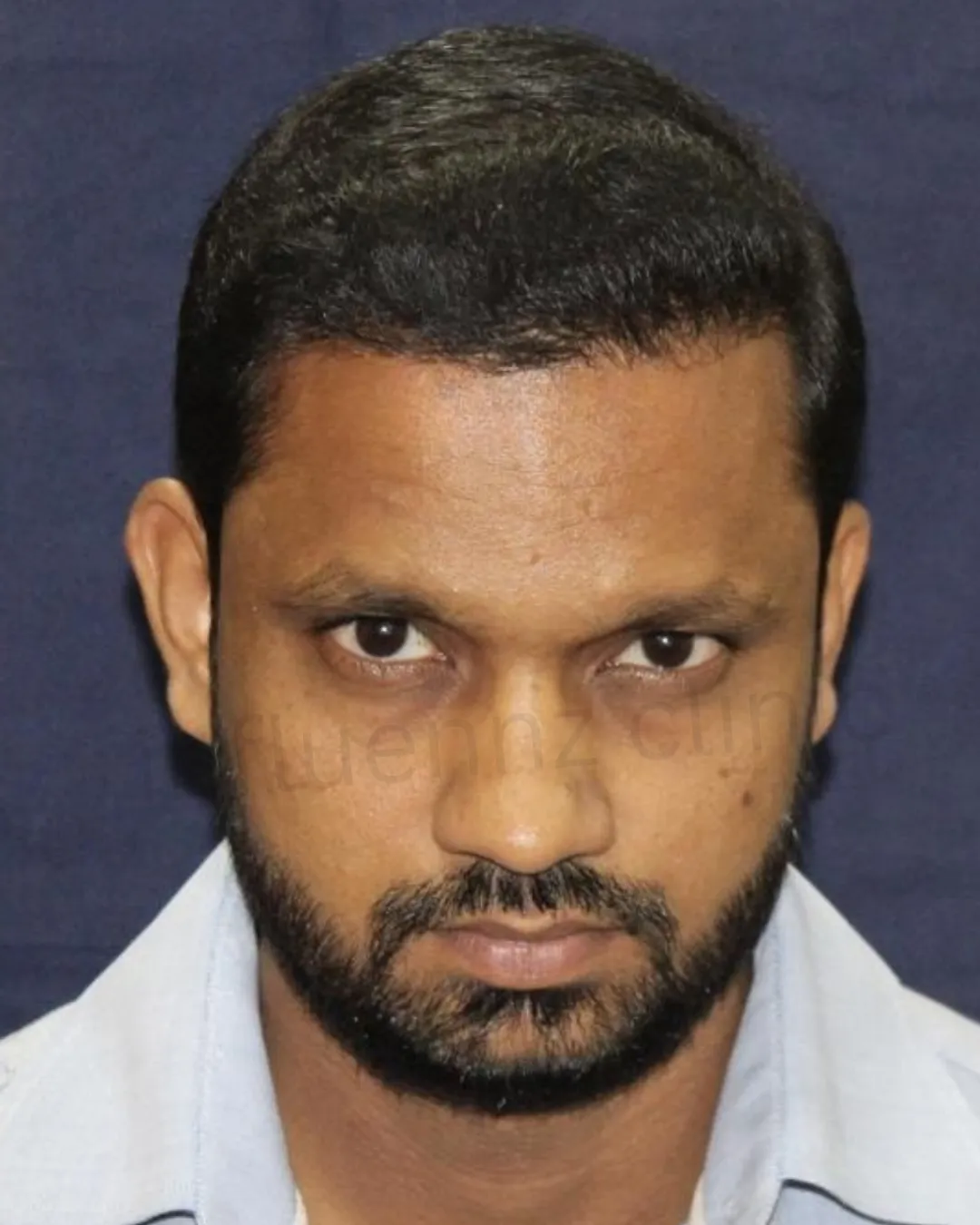
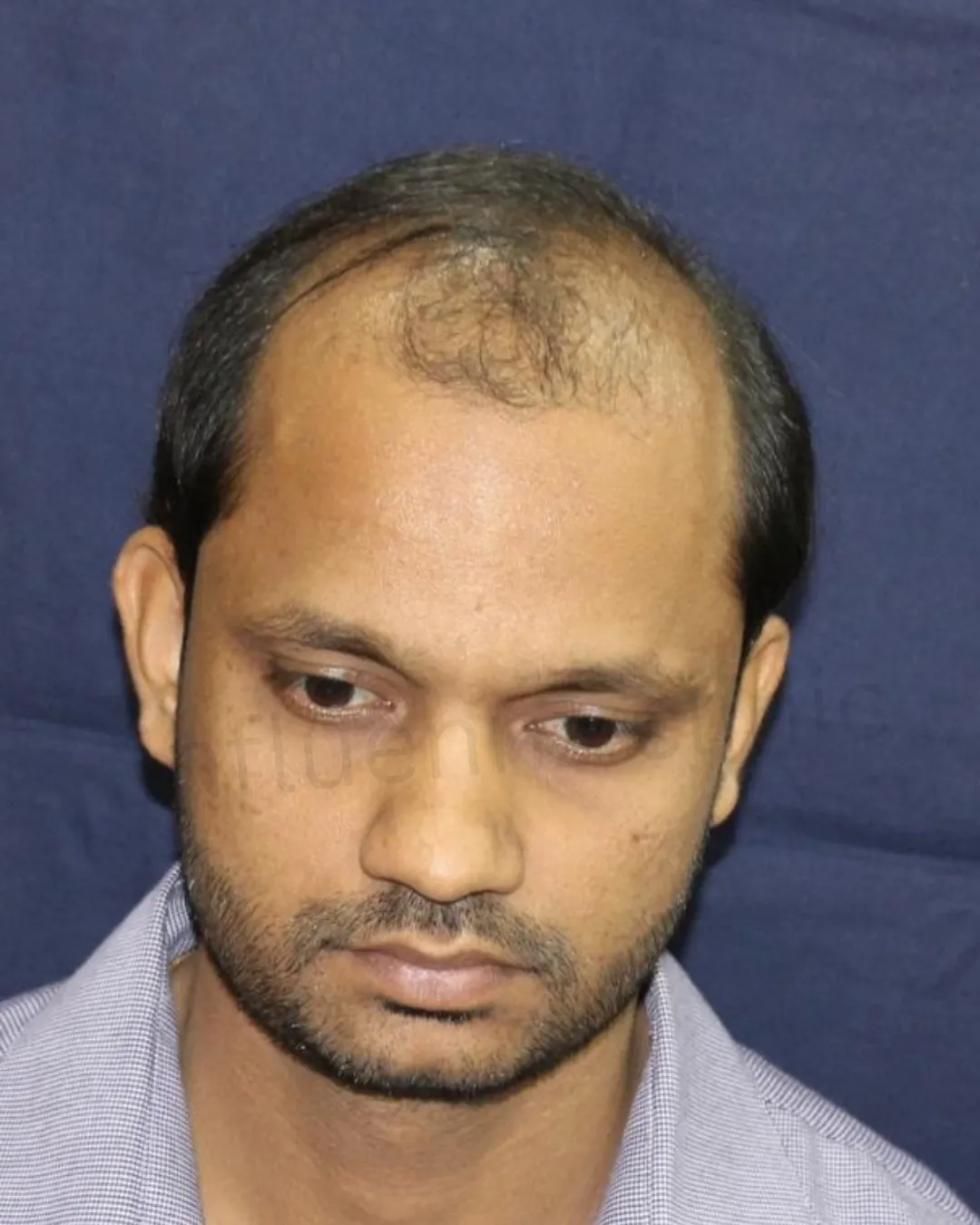
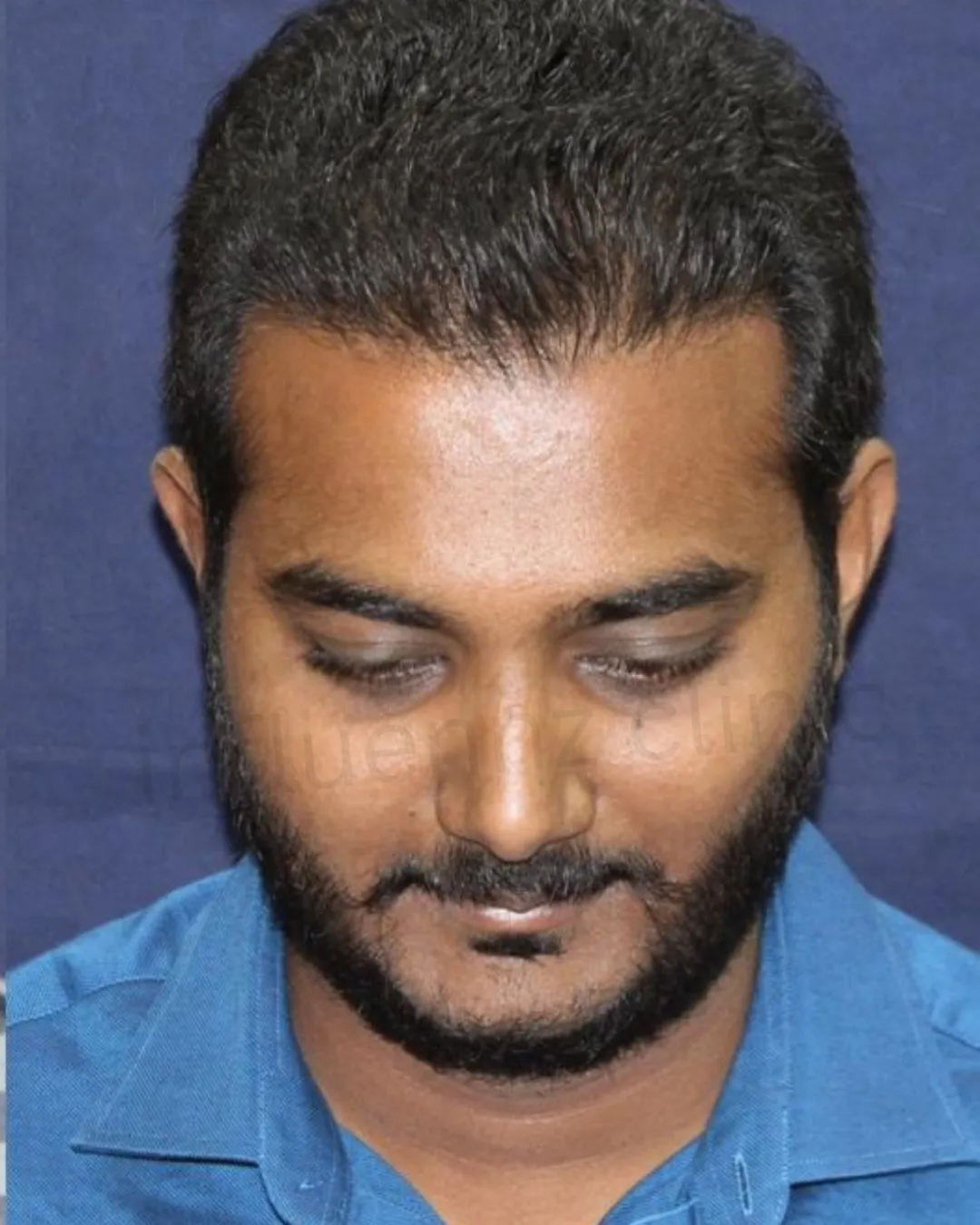
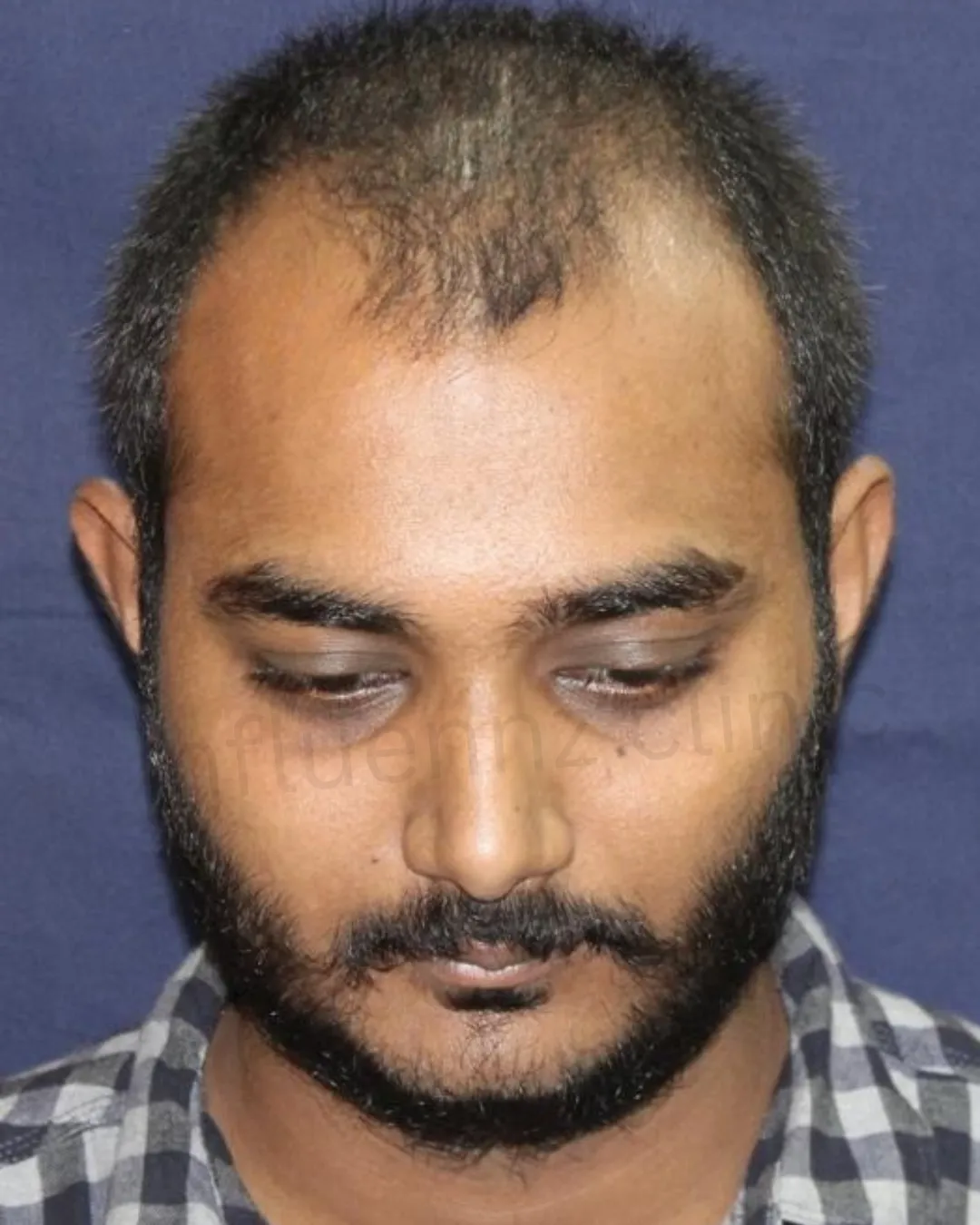
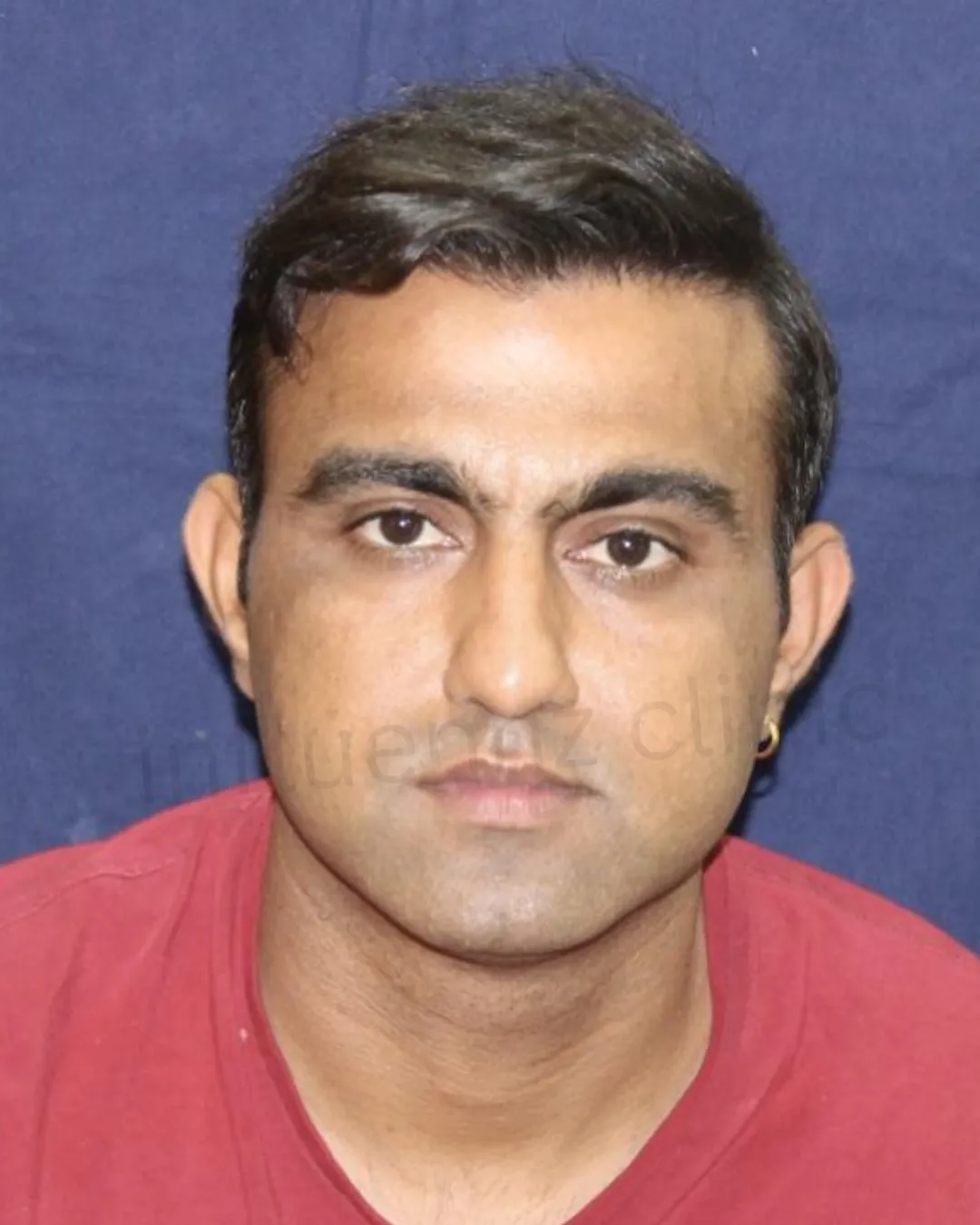
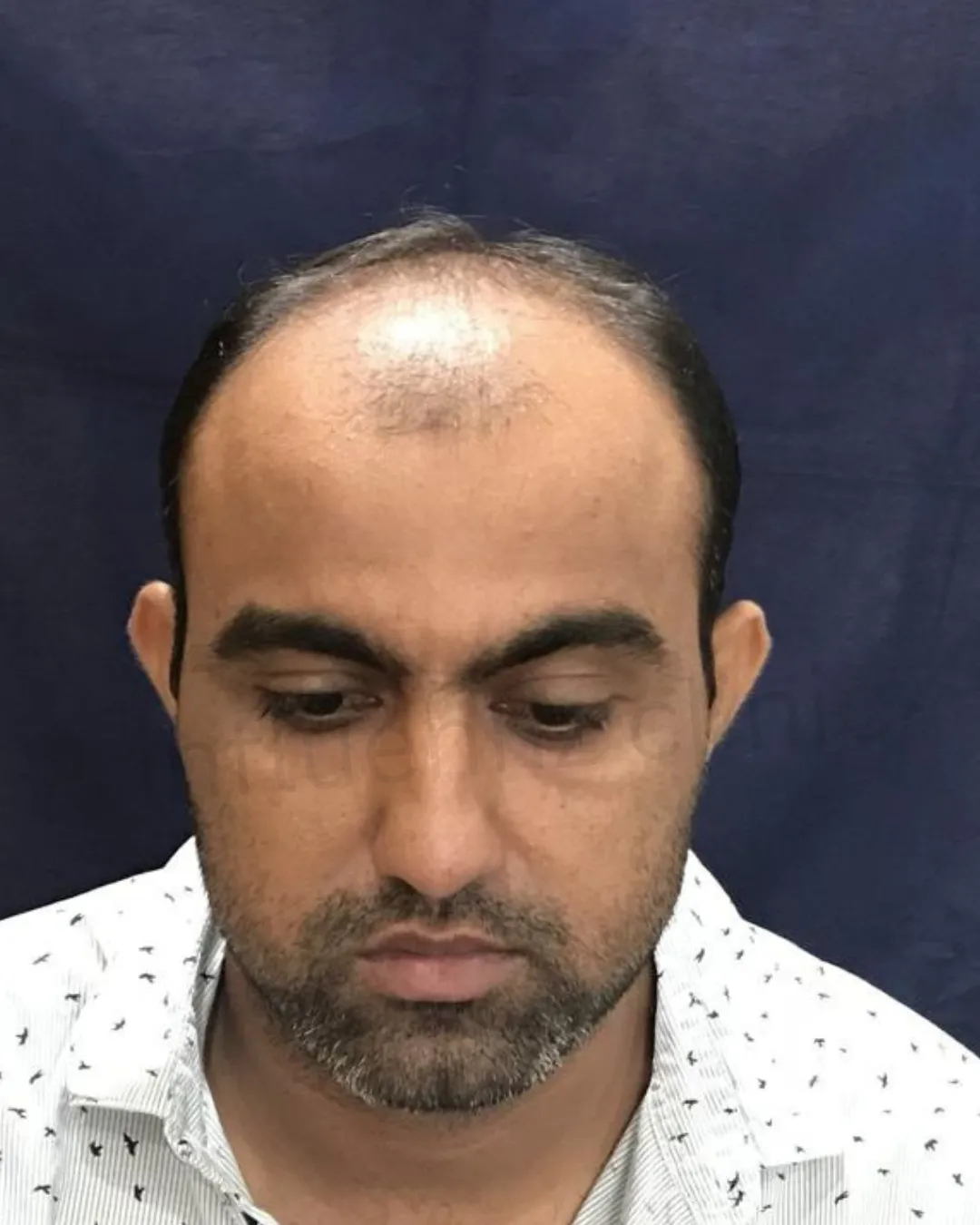
Hair Transplant Results Before After Delhi
FUE vs DHI vs FUT vs Robotic Hair Transplant
| Feature | Robotic Hair Transplant | FUE (Follicular Unit Extraction) | DHI (Direct Hair Implantation) | FUT (Strip Method) |
|---|---|---|---|---|
| Technology Used | AI-assisted robotic system for graft extraction and placement | Manual extraction and implantation of individual follicles | Special implanter pen for direct graft placement | Strip of scalp removed, follicles extracted under microscope |
| Precision & Control | High consistency with robotic accuracy but limited artistic flexibility | High precision with dermatologist control | Maximum control over angle, depth, and hairline design | Moderate precision, depends on surgical technique |
| Invasiveness | Minimally Invasive | Minimally Invasive | Minimally Invasive | More Invasive |
| Scarring | Tiny dot scars (almost invisible) | Micro dot scars, barely visible | No visible scarring | Linear scar at donor area |
| Pain & Comfort | Minimal discomfort | Minimal discomfort | Very comfortable procedure | Slightly higher discomfort post-surgery |
| Downtime / Recovery | Moderate | Fast (Few Days) | Fast Recovery | Longer Recovery |
| Hair Density Outcome | Good density, machine-assisted | Natural density and hairline | Higher density due to precise placement | Good coverage but less refined hairline |
| Best For | Tech-driven procedures, large areas | Most common hair loss cases | Hairline design & high-density results | Advanced baldness with limited donor hair |
Results & Expectation
Hair transplant recovery time varies from person to person, but most patients can return to normal routine activities within 2–5 days after the procedure. Mild redness, swelling, or scabbing usually settles within 7–14 days with proper aftercare. The implanted hair initially sheds and then regrows naturally over time.
The goal is not just regrowth, but a natural-looking hairline that blends seamlessly with your existing hair.
Hair Transplant Aftercare: Do’s and Don’ts
Good aftercare genuinely affects graft survival, so it’s worth taking seriously beyond just the first few days.
In the first week:
- Sleep with your head elevated to reduce swelling
- Avoid touching, scratching, or picking at the transplanted area
- Follow your prescribed washing routine exactly, usually a very gentle rinse rather than normal shampooing
- Avoid direct sun exposure on the scalp
Weeks 2 to 4:
- Light activity is usually fine, but avoid heavy exercise, swimming, and saunas until cleared by your surgeon
- Expect some shedding of the transplanted hairs, this is normal and part of the process, not a sign of failure
- Avoid alcohol and smoking, both can affect healing and graft survival
Can you wear a hat after a hair transplant?
Generally not for the first week to ten days, since a tight-fitting hat can dislodge grafts before they’ve properly anchored. After that window, a loose, soft hat is usually fine, but always confirm timing with your surgeon rather than assuming.
Following your specific aftercare plan matters more than generic advice found online, since recovery details vary by technique (FUE, DHI, FUT) and the specifics of your procedure.
What to Expect Emotionally During the “Ugly Duckling” Phase
This part rarely gets discussed upfront, but it genuinely helps to know about it beforehand. Between roughly weeks 3 and 4, most patients go through what’s commonly called the shock loss or “ugly duckling” phase, where many of the newly transplanted hairs shed before the follicle settles in and begins producing new growth.
This is completely normal and expected, not a sign that your hair transplant in Delhi has failed. It can still catch patients off guard, especially if they weren’t told to expect it, since the scalp can look temporarily patchier than it did right after the procedure, before new growth begins around month 3 to 4. Knowing this in advance makes the whole recovery arc feel far less alarming when it happens, which is exactly why a good hair transplant clinic in Delhi should walk you through this timeline honestly during your consultation rather than only showing you the end result.
Hair Transplant Cost in Delhi
In general, the hair transplant cost in Delhi typically starts from ₹60,000+ and can go up to ₹3,00,000+, depending on factors like the number of grafts required, the technique used (FUE, DHI, or FUT), and the experience of the doctor performing the procedure. A hair transplant is not just a cosmetic treatment—it’s a long-term investment in your confidence and appearance. Choosing cheaper options may compromise the quality, safety, and naturalness of the results.
At Influennz Clinic, the cost is completely personalized based on your hair loss stage, donor area condition, and desired outcome.
Hair Transplant Cost in Delhi Per Graft
Instead of fixed pricing, we recommend a consultation to provide you with an accurate estimate tailored to your needs, ensuring transparency and the best possible results.
Book An AppointmentIs Hair Transplant Safe?
Hair transplant is a safe and medically approved procedure when performed by an experienced specialist. At Influennz Clinic, AIIMS-trained dermatologist Dr. Geetika personally supervises every procedure with a team of certified and experienced hair transplant technicians trained under her guidance. Advanced scalp analysis, strict hygiene standards, and medically guided aftercare help ensure safe treatment, natural-looking results, and smooth recovery with minimal temporary side effects.
Choosing the best hair transplant doctor in Delhi significantly reduces risks and ensures safe, natural-looking results.
Book An AppointmentDoes Hair Transplant Work for Every Type of Hair Loss?
Not all hair loss responds to transplant the same way, and understanding this helps set realistic expectations before you commit to the best hair transplant in Delhi for your specific case.
Androgenetic alopecia (male and female pattern baldness):
This is the most common candidate for hair transplant, since the donor area (typically back and sides) is usually genetically resistant to the hormone that causes pattern baldness, making it reliable long-term donor material.
Alopecia areata:
This autoimmune condition causes patchy hair loss and behaves unpredictably, transplanted hair can be affected by the same autoimmune activity, so it’s generally not recommended until the condition is stable and well-managed medically.
Scarring alopecia (from injury, burns, or certain skin conditions):
This often responds well to transplant since the surrounding hair-bearing skin is usually unaffected, though results depend on the scar tissue’s blood supply.
Traction alopecia (from tight hairstyles):
If caught early and the hairstyle habit changes, this can sometimes reverse without a transplant at all. If follicles have been permanently damaged, transplant can help restore the affected area.
Diffuse thinning without a clear pattern:
This needs more careful evaluation, since a stable donor area isn’t always guaranteed the way it is in classic pattern baldness. A thorough scalp assessment is essential before any hair transplant in Delhi is recommended for this presentation.
If you’re unsure which category your hair loss falls into, this is precisely what a proper dermatological evaluation before your procedure is for, rather than assuming a transplant is or isn’t right for you based on general information alone.
Combining Hair Transplant with Other Hair Treatments
The best hair transplant in Delhi doesn’t have to work alone. Depending on your scalp condition, Dr. Geetika may recommend combining your transplant with complementary treatments:
- Hair PRP: often used both before and after a transplant to support graft survival and strengthen the native hair surrounding the transplanted area
- GFC for Hair: a more concentrated alternative to PRP, sometimes used for the same supportive purpose depending on your scalp’s response
- Micro Mesotherapy: delivers nutrients directly to the scalp to support overall hair health during recovery
- Scalp Microneedling: can improve absorption of topical treatments used alongside your transplant recovery plan
- Minoxidil or finasteride: often continued or started to protect existing, non-transplanted hair, since a transplant restores coverage in treated areas but doesn’t stop ongoing hair loss elsewhere on the scalp
Whether any of these make sense for you depends on your specific hair loss pattern and how your scalp responds, decided during consultation rather than bundled automatically into every hair transplant clinic in Delhi package. This layered approach, treatment for the transplanted area alongside ongoing protection for the rest of your scalp, is generally what separates a genuinely long-term satisfying result from one that looks great initially but loses ground around the transplant over the following years.
Hair Transplant Success Rate: What Actually Determines It
Graft survival rates of 90 to 98 percent are commonly quoted across the best hair transplant in Delhi options, but this number alone doesn’t tell the full story of what makes a transplant genuinely successful for you.
Survival rate measures whether grafts take root and grow, it doesn’t measure whether the final result looks natural, matches your facial proportions, or holds up well over the following decade as your surrounding native hair continues to age. A technically successful transplant with a 95 percent survival rate can still look unnatural if the hairline design doesn’t suit your face, or disappointing years later if ongoing hair loss around the transplanted area wasn’t managed alongside it.
This is why the most meaningful measure of a hair transplant clinic in Delhi isn’t the survival percentage quoted in marketing, it’s how the surgeon approaches hairline design, donor management, and long-term planning for the hair that wasn’t transplanted. A good consultation should cover all of this, not just recite a success rate statistic.
Why Choose Influennz Hair Transplant Clinic
Choosing the right clinic is just as important as the procedure itself. Influennz Clinic is recognized as one of the best hair transplant clinics in Delhi, trusted by patients for its AIIMS-based dermatological expertise, advanced technology, and consistently natural-looking results. Led by an AIIMS MD dermatologist, the clinic has successfully treated 10,000+ happy patients, making it a reliable choice for safe, effective, and personalized hair transplant solutions.
At Influennz Clinic:
- Procedures are guided by AIIMS-trained expertise
- Focus on natural hairline design
- Advanced FUE and robotic techniques available
- Personalized consultation and planning
- High standards of hygiene and patient care
How to Choose a Hair Transplant Clinic in Delhi: Red Flags to Avoid
With so many clinics now offering hair transplant in Delhi, a few red flags are worth watching for before you commit:
- Fixed, rock-bottom package pricing quoted without a scalp assessment. Genuine pricing depends on your graft count and donor condition, a number given before any examination is a guess, not a quote.
- Technicians performing extraction and implantation with minimal doctor involvement. Ask directly who performs your procedure and how involved the doctor actually is throughout, not just at the consultation.
- Promises of unrealistic density or coverage regardless of your donor supply. A hair transplant clinic in Delhi that promises maximum density on a limited donor area is setting expectations it can’t actually deliver.
- No clear aftercare or follow-up plan. A one-time procedure with no structured follow-up is a sign of a volume-focused clinic rather than one invested in your actual results.
- Reluctance to show real, unfiltered before-and-after results specific to your hair loss pattern, not just their best-case gallery photos.
Patients researching the best hair transplant clinic in Delhi should treat these red flags as a genuine screening checklist, not overly cautious nitpicking. At Influennz, every procedure is personally supervised by Dr. Geetika Srivastava specifically to avoid these shortcuts.
Hair Transplant in Delhi vs Turkey: What You Should Know
Many patients researching options come across heavily discounted hair transplant packages advertised out of Turkey and wonder if travelling is worth it compared to a hair transplant clinic in Delhi closer to home.
The honest comparison isn’t simply about price. Turkey-based clinics often offer lower headline costs, but this can come with less doctor involvement in the actual procedure (frequently performed largely by technicians), limited or no in-person follow-up after you return home, and the added cost and complexity of travel, accommodation, and managing any complications from a different country. A hair transplant specialist in South Delhi offers the advantage of an in-person relationship before, during, and after your procedure, plus straightforward access for any touch-up or follow-up care without another flight.
This isn’t to say every overseas option is poor value, some are genuinely excellent. But price comparisons that don’t account for doctor involvement, follow-up access, and travel logistics aren’t comparing like for like. This is worth factoring in explicitly when you’re evaluating the best hair transplant in Delhi against any overseas alternative.
Frequently Asked Questions
Leading hair transplant clinics in India report graft survival rates between 90% to 98%, depending on the surgeon's expertise, technique used, and post-operative care. At Influennz Clinic, under the supervision of Dr. Geetika Srivastava, patients consistently achieve high graft survival rates through precision-based surgical techniques and structured aftercare protocols.
India has several ISHRS and ABHRS-certified hair restoration surgeons specializing in FUE, FUT, and DHI procedures. Dr. Geetika Srivastava of Influennz Clinic, Delhi-NCR, is a recognized name in hair restoration, known for natural hairline design, follicular unit precision, and patient-specific treatment planning.
Hair transplant cost in India typically ranges from ₹60,000 to ₹1,50,000, calculated on a per-graft basis of ₹50 to ₹200 depending on the technique — FUT being most economical, followed by FUE, and DHI as the premium option. At Influennz Clinic, all-inclusive transparent pricing is offered with no hidden charges. A free consultation is available for a personalized graft assessment.
The most advanced hair transplant techniques currently practiced are FUE (Follicular Unit Extraction), FUT (Follicular Unit Transplantation), DHI (Direct Hair Implantation using Choi implanter pen), and Sapphire FUE. At Influennz Clinic, Dr. Geetika Srivastava employs these techniques tailored to each patient's hair loss grade, donor density, and scalp condition.
It depends on the technique. FUE and DHI leave tiny, dot-like scars that are barely visible once healed, especially with short hair styled over them. FUT leaves a thin linear scar along the donor strip area, which is generally well concealed by surrounding hair but is more noticeable if you prefer very short haircuts. Your surgeon will discuss which technique suits your lifestyle and hair preferences during consultation.
This needs to be discussed with both your prescribing doctor and your hair transplant surgeon beforehand. Some blood thinners can typically be paused briefly under medical guidance, while others cannot be stopped safely, in which case your surgical plan may need adjustment. Never stop a prescribed medication without your doctor’s explicit guidance.
Many surgeons actually recommend continuing or starting minoxidil or other medical treatments like PRP and GFC alongside a hair transplant in Delhi, since they help protect and strengthen the existing, non-transplanted hair around the new grafts. This is typically part of a broader hair transplant clinic in Delhi’s care plan rather than something to stop before surgery, though your specific medications should always be confirmed with your surgeon.
Book Your Consultation Today
Hair Transplant in Delhi: The Bottom Line
Hair transplant in Delhi is more accessible today than ever, but accessibility isn’t the same as getting a result that actually looks natural years down the line. The best hair transplant doctor in Delhi will always start with an honest evaluation of your donor supply and hair loss pattern, not a fixed package sold regardless of fit.
If you’re comparing your options, three questions are worth asking wherever you go: is a qualified doctor personally involved in your procedure, is the graft count and technique recommendation based on your actual scalp assessment, and is there a genuine aftercare and follow-up plan built in. At Influennz, an AIIMS-trained hair transplant specialist in South Delhi, transparent per-graft pricing, and a Hauz Khas clinic built around honest candidacy assessment are designed to answer all three. Whether you’re just beginning to research the best hair transplant in Delhi or you’re ready to book a consultation, that same honest first conversation about your donor supply and realistic goals is where every good outcome starts.