Dandruff Treatment in South Delhi
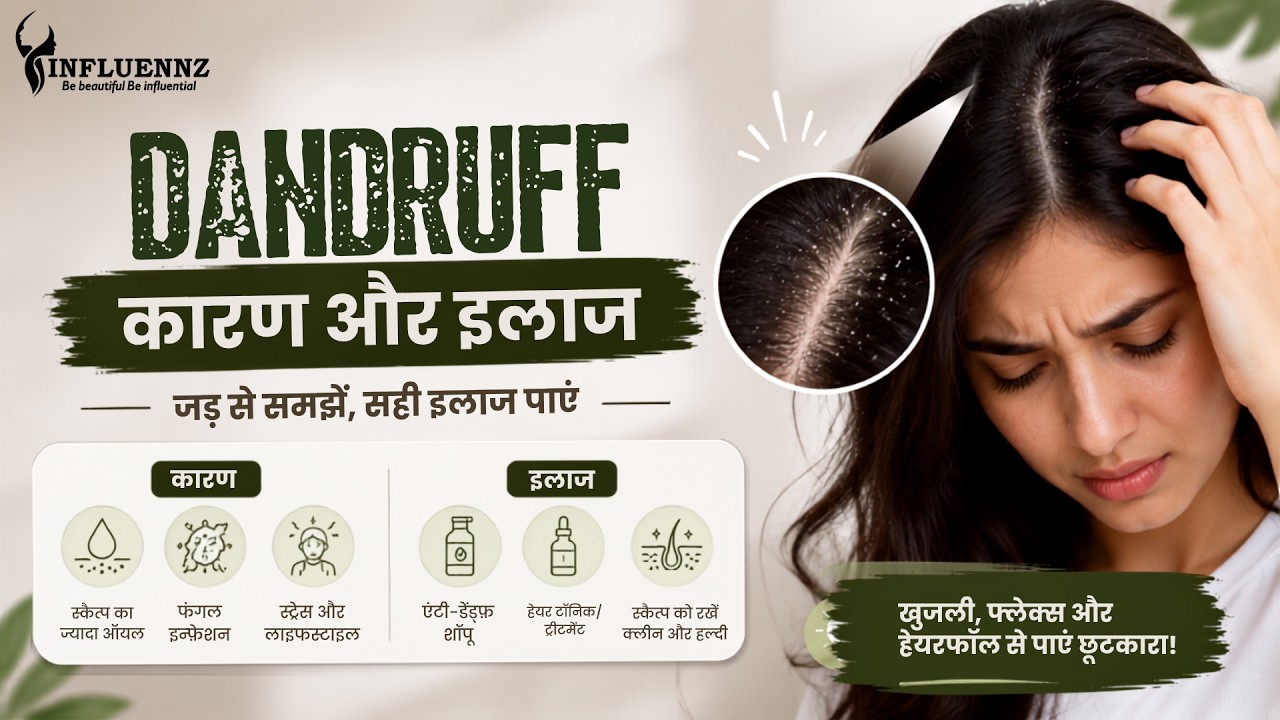
Dandruff is often a recurring condition rather than a one-time scalp problem.
Malassezia yeast, scalp oil production and an individual's inflammatory response can contribute to flaking and itching. In more inflammatory cases, the condition may be diagnosed as seborrhoeic dermatitis.
Common triggers that can aggravate symptoms include stress, cold or dry weather, oily scalp conditions and unsuitable hair-care products.
Dandruff is not caused simply by poor hygiene. However, infrequent scalp cleansing may allow oil and flakes to accumulate, making symptoms more noticeable.
Not every flaky scalp needs the same treatment.
| Condition | Common signs |
|---|---|
| Dandruff | White or yellowish flakes, sometimes with mild itching |
| Dry scalp | Fine flakes with dryness or tightness |
| Seborrhoeic dermatitis | Greasy scaling, itching and inflamed skin, sometimes affecting the eyebrows, ears or sides of the nose |
| Scalp psoriasis | Thicker, more defined scaly patches that may extend beyond the hairline |
These conditions can overlap in appearance. A dermatologist can distinguish them through scalp examination and recommend treatment accordingly.
The most effective dandruff treatment depends on the cause, severity and response to previous medications.
Medicated shampoos are commonly the first line of treatment. Depending on the scalp condition, a dermatologist may recommend ingredients such as:
The correct ingredient, strength and frequency depend on the patient's scalp condition.
When dandruff is accompanied by significant redness, itching or inflammation, medicated shampoo alone may not be sufficient.
A dermatologist may prescribe a short course of anti-inflammatory scalp lotion or other appropriate medication alongside antifungal treatment.
Topical corticosteroids should only be used as directed, as prolonged or inappropriate use can cause adverse effects.
Dandruff often improves with treatment but may return after medication is stopped.
Once symptoms are controlled, a dermatologist may recommend a maintenance shampoo schedule to reduce recurring flare-ups.
The aim is long-term control rather than promising a permanent cure.
A shampoo that initially controlled dandruff may seem less effective over time. This does not automatically mean that the scalp has developed antifungal resistance.
Several factors may explain the change:
In some cases, switching to a different active ingredient or combining treatments may help. Rather than repeatedly changing shampoos without guidance, persistent dandruff should be reassessed.
Dandruff itself does not usually cause permanent hair loss.
However, significant scalp inflammation and repeated scratching may contribute to temporary shedding or hair breakage.
If you notice excessive hair fall, widening of the hair parting or visible thinning alongside dandruff, the hair loss may have a separate cause.
A dermatologist can assess both concerns rather than assuming that treating dandruff alone will restore hair density.
Mild dandruff often improves with appropriate over-the-counter shampoos. A dermatology consultation is advisable when:
A dermatologist may examine the scalp and, when necessary, investigate other causes of scaling.
For patients searching for the best dandruff treatment in South Delhi, the priority should be an accurate diagnosis and a treatment plan suited to the scalp condition.
At Influennz Clinic, Dr. Geetika Srivastava provides dermatologist-led assessment of persistent dandruff, seborrhoeic dermatitis and related scalp concerns.
Treatment may include prescription-strength medicated shampoos, appropriate anti-inflammatory medication and a maintenance routine designed to manage recurrence.
If you are looking for dandruff treatment in Hauz Khas, you can book a dermatology consultation at Influennz Clinic.
Location: 2nd Floor, D-65, Hauz Khas Market, New Delhi – 110016
Contact: +91 83687 78208
Dandruff can often be controlled effectively, but it may recur. Some patients benefit from ongoing maintenance treatment to reduce flare-ups.
There is no single shampoo suitable for everyone. Ketoconazole, ciclopirox, selenium sulphide and other medicated ingredients may be recommended depending on the scalp condition.
Many patients notice improvement within a few weeks of appropriate treatment. More persistent or inflammatory conditions may require additional medication and maintenance care.
Dandruff is associated with Malassezia yeast, which normally lives on the scalp. It is not necessarily a contagious fungal infection. The scalp's inflammatory response also plays an important role.
Heavy oiling may aggravate symptoms in some people with oily, seborrhoeic scalps. The appropriate hair-care routine depends on whether the scalp has dandruff, dryness or another condition.
Consult a dermatologist if dandruff persists despite appropriate shampoo use, causes significant itching or inflammation, or occurs alongside noticeable hair loss.
Medical Disclaimer: This content is intended for general educational purposes and does not replace professional medical advice. Dandruff, seborrhoeic dermatitis, psoriasis and other scalp conditions may have similar symptoms but require different treatments.
Take control of your hair and scalp health, safely and confidently: