Dry Skin Treatment in South Delhi
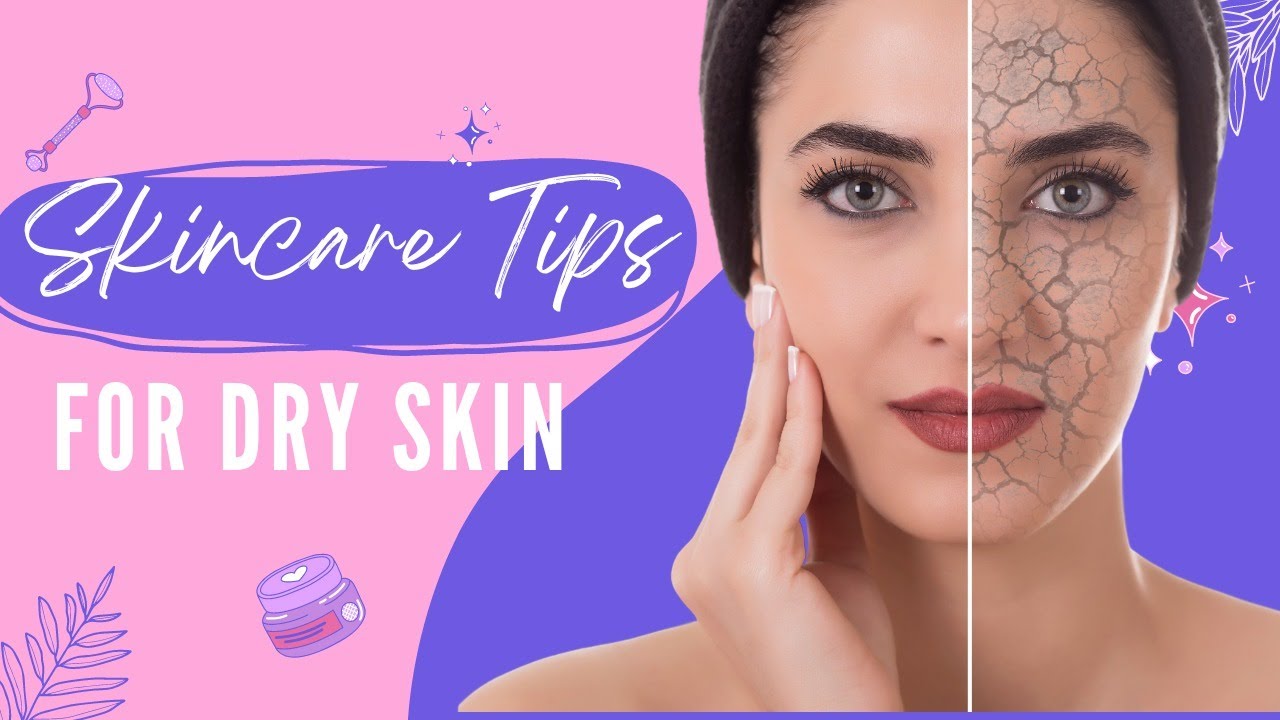
Healthy skin has a protective barrier made up of skin cells and natural lipids that help retain moisture. When this barrier is disrupted, water escapes more easily from the skin, a process known as transepidermal water loss.
This can leave the skin feeling dry, rough, tight or irritated.
Occasionally, medical conditions such as hypothyroidism may also contribute to unusually dry skin. The treatment depends on identifying which of these factors is responsible.
Several factors may contribute:
Strong soaps and frequent washing can strip the skin of protective oils.
Cold weather, low humidity and prolonged air-conditioning may increase dryness.
Excessive exfoliation, retinoids and certain acne treatments can irritate the skin barrier.
Prolonged exposure to hot water may worsen moisture loss.
Atopic dermatitis, contact dermatitis and psoriasis can cause persistent dryness, scaling and inflammation.
Not every dry patch needs prescription treatment, but certain symptoms suggest that the problem extends beyond ordinary dryness.
| What you notice | What it may indicate |
|---|---|
| Mild tightness and fine flaking | Simple dry skin or barrier disruption |
| Persistent itching and red patches | Eczema or contact dermatitis |
| Thick, well-defined scaly patches | Possible psoriasis |
| Burning after applying skincare | Irritation or a compromised skin barrier |
| Painful cracks or bleeding | Severe dryness or inflammatory skin disease |
These signs are not sufficient for self-diagnosis. A dermatologist may need to examine the skin to distinguish between these conditions.
The most effective treatment depends on whether the skin simply needs better moisture retention or has an underlying inflammatory condition.
For uncomplicated dry skin, restoring the skin barrier is usually the first step. Dermatologists may recommend moisturisers containing ingredients such as:
Creams and ointments are often more effective than lightweight lotions for very dry skin.
When dryness is accompanied by eczema, significant itching or inflammation, moisturisers alone may not be sufficient.
Depending on the diagnosis, a dermatologist may prescribe topical corticosteroids or other anti-inflammatory medications for an appropriate duration.
Treatment is selected according to the affected area, severity and individual skin condition.
Sometimes, the products intended to improve skin quality are responsible for persistent dryness. Overusing exfoliating acids, retinoids or multiple active ingredients may disrupt the skin barrier.
A dermatologist may recommend temporarily simplifying the routine, reducing irritating ingredients and gradually reintroducing suitable products once the skin has recovered.
For most people with uncomplicated dry skin, a simple routine is more helpful than layering multiple products.
Avoid very hot showers, harsh scrubs, frequent exfoliation and fragranced products that trigger irritation.
If the skin is cracked, inflamed or burning, avoid experimenting with new active ingredients.
Mild dryness often improves with appropriate skincare. However, a dermatologist consultation is advisable when:
A dermatologist can determine whether the concern is simple xerosis (dry skin), eczema, contact dermatitis or another skin condition.
Hydrating facials may temporarily improve the appearance and feel of dehydrated skin, but they do not replace medical treatment for persistent dryness or inflammatory skin conditions. Dry skin and dehydrated skin are also not exactly the same. Dry skin is commonly associated with reduced skin lipids and impaired barrier function, while dehydration refers to insufficient water content in the skin.
For someone with uncomplicated dehydration, a suitable hydrating facial may provide temporary cosmetic benefits. However, if the skin is actively inflamed, cracked or affected by eczema, a facial may aggravate irritation.
A dermatologist should assess whether a cosmetic procedure is appropriate or whether barrier repair and medical treatment should come first.
If you are looking for a dry skin doctor in South Delhi, understanding the cause of persistent dryness is the first step towards appropriate treatment. At Influennz Clinic, Dr. Geetika Srivastava provides dermatologist-led assessment of dry, sensitive and irritated skin.
Depending on the diagnosis, treatment may include barrier-repair skincare, prescription medication, management of associated skin conditions and guidance on suitable daily products.
Patients seeking dry skin treatment in Hauz Khas can contact Influennz Skin & Hair Clinic for consultation and treatment information.
Location: Hauz Khas, South Delhi, New Delhi
Contact: +91 83687 78208
Our South Delhi clinic is centrally situated in Hauz Khas Market, offering private clinical suites and evidence-based dermatological care.
Whether you need guidance on barrier restoration, prescription eczema care, or tailored dry-skin maintenance, our team is here to help.
Persistent dryness may occur because of a damaged skin barrier, unsuitable products, frequent washing or an underlying condition such as eczema. The type of moisturiser and how frequently it is applied also matter.
Dryness caused by temporary environmental factors may improve with appropriate care. However, people with naturally dry skin or chronic conditions such as eczema may require ongoing maintenance.
Fragrance-free creams or ointments containing ceramides, glycerin or petrolatum are often helpful. The most suitable formulation depends on skin sensitivity and the severity of dryness.
Yes. Severe dryness can cause itching and irritation. However, persistent redness or intense itching may indicate eczema, contact dermatitis or another inflammatory condition.
A hydrating facial may be considered for selected patients with dehydrated skin, but it is not a substitute for treating eczema or a damaged skin barrier. Suitability should be assessed individually.
Consult a dermatologist if dryness persists despite regular skincare, causes significant itching or cracking, or is accompanied by inflammation or recurrent patches.
Medical Disclaimer: This content is intended for general educational purposes and does not replace professional medical advice. Dry skin can have several causes, and treatment should be selected according to the underlying condition and individual skin needs.
Take control of your skin health, safely and confidently: