Photoaging Treatment in Delhi
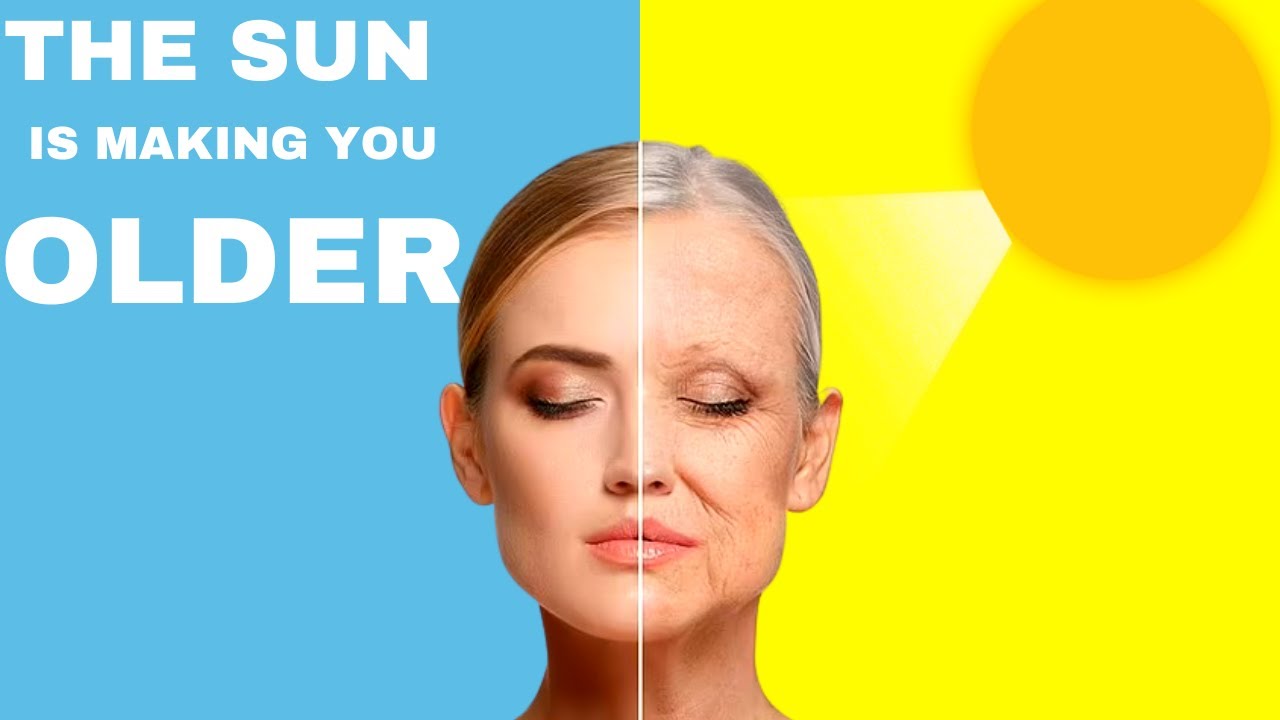
Photoaging refers to skin changes caused by accumulated exposure to ultraviolet (UV) radiation from sunlight. Over time, UV exposure affects collagen, elastin and skin pigmentation, contributing to wrinkles, uneven skin tone and changes in texture.
Premature skin ageing is a broader term for ageing changes that become noticeable earlier than expected. Sun exposure is a major contributor, but smoking, environmental exposure, genetics and lifestyle factors may also influence skin appearance.
Clinical Distinction: Natural ageing and photoaging can occur together. The distinction matters because pigmentation, fine lines and loss of facial volume may require different treatment approaches.
Photoaging can affect the face, neck, chest, hands and other frequently sun-exposed areas.
Common signs include:
Particularly around the eyes, forehead and mouth.
Sun spots, freckles or patchy discolouration.
Skin may feel less smooth or appear dull.
Skin may gradually lose some of its firmness.
Some people develop small, noticeable surface blood vessels.
Differential Diagnosis: Not every dark spot or wrinkle is caused by sun damage. Melasma, post-inflammatory pigmentation and normal age-related changes can resemble certain features of photoaging. A dermatologist can help identify the underlying concern.
Several interconnected clinical and lifestyle factors accelerate the visible signs of skin ageing:
Clinical Assessment: Individual skin ageing rates depend on cumulative lifetime exposure, cellular repair efficiency, and barrier integrity.
UVA and UVB radiation contribute to skin ageing through different mechanisms. UVA penetrates deeper into the skin and contributes to collagen damage, while UVB causes sunburn and also contributes to long-term skin damage.
Collagen supports skin structure, while elastin contributes to flexibility. UV exposure increases processes that break down these supporting proteins, making wrinkles and texture changes more noticeable over time.
Smoking, air pollution and certain lifestyle habits can contribute to oxidative stress, which may accelerate visible ageing changes.
Inconsistent sunscreen use and prolonged outdoor exposure allow additional UV damage to accumulate, even when an anti-ageing skincare routine is followed.
Treatment depends on whether the main concern is pigmentation, fine lines, rough texture or reduced firmness. At Influennz Clinic, different dermatological approaches may be considered following an individual assessment.
For early photoaging, a dermatologist may recommend a routine involving broad-spectrum sunscreen, moisturisers and selected active ingredients. Topical retinoids can improve certain fine lines and pigmentation changes over time. Antioxidants and suitable pigment-correcting ingredients may also be considered.
Prescription retinoids require appropriate medical guidance because they can cause dryness, irritation and increased skin sensitivity. They are generally avoided during pregnancy or when planning pregnancy.
Chemical peels use controlled exfoliation to improve selected pigmentation changes, surface roughness and uneven skin tone.
The choice of peel depends on skin type, sensitivity and pigmentation history. Superficial peels may be considered for mild concerns, while stronger procedures require more careful evaluation.
Selected laser treatments may help address sun-related pigmentation, uneven texture and certain fine lines. Pigment-targeting lasers and fractional resurfacing procedures work differently. The appropriate technology depends on the specific skin concern, its severity and the patient's skin type.
Laser settings and treatment selection are especially important for people prone to post-inflammatory hyperpigmentation.
Microneedling creates controlled micro-injuries that stimulate skin repair and collagen remodelling. Radiofrequency-based treatments use controlled energy to target selected concerns involving texture and firmness.
These procedures may be considered when early wrinkles or textural changes are more prominent than pigmentation. Not every patient requires a procedure. Mild photoaging may be managed initially with consistent photoprotection and appropriate topical skincare.
The treatment approach depends on the most noticeable skin changes.
| Main concern | Approaches that may be considered |
|---|---|
| Early fine lines | Retinoids, microneedling or selected resurfacing treatments |
| Sun spots and uneven pigmentation | Pigment-correcting skincare, chemical peels or selected lasers |
| Rough texture and dullness | Topical skincare, superficial peels or resurfacing |
| Reduced firmness | Selected radiofrequency or ultrasound-based treatments |
| Multiple signs of photoaging | A staged combination of skincare and appropriate procedures |
These are possible approaches, not fixed treatment recommendations. Some concerns may have causes unrelated to photoaging and require different management.
For patients primarily concerned about deeper wrinkles, facial volume loss or sagging, our Anti-Ageing Treatment in Delhi page explains broader facial rejuvenation options.
Before recommending photoaging treatment, Dr Geetika Srivastava evaluates:
Detailed baseline assessment of individual skin barrier health and reactive tendencies.
Examining sun spots, superficial discolouration, and photodamage depth.
Evaluating surface roughness, early dermal lines, and progressive collagen breakdown.
Reviewing cumulative lifetime UV exposure and daily photoprotection habits.
Analyzing active ingredients, retinoids, exfoliants, and past cosmetic procedures.
Photoaging treatment aims to improve visible skin changes rather than permanently stop ageing. Some superficial pigmentation and texture concerns may improve gradually with consistent skincare. Treatments involving collagen remodelling usually require more time before changes become noticeable.
Deeper wrinkles, longstanding sun damage and significant loss of elasticity may respond differently and may not fully resolve. Results depend on the treatment selected, severity of photodamage, skin type and continued sun protection. Additional sessions or maintenance may be needed.
Recovery varies considerably between treatments. Topical products may cause temporary dryness or irritation. Superficial chemical peels can produce redness, flaking or sensitivity. Certain laser and resurfacing procedures may involve more noticeable redness, swelling, peeling or downtime. Possible complications include persistent irritation, post-inflammatory hyperpigmentation, burns, infection or scarring, depending on the procedure.
Aftercare generally involves gentle cleansing, suitable moisturisation, avoiding unnecessary exfoliation and following the dermatologist's sun-protection instructions.
Preventing additional UV damage remains an essential part of photoaging management, even after professional treatment.
UV Protection Note: Existing photodamage may improve with treatment, but continued UV exposure can contribute to new pigmentation and wrinkles.
Influennz Clinic provides dermatologist-led assessment and treatment planning for concerns involving premature skin ageing, pigmentation, texture and facial rejuvenation.
Dr Geetika Srivastava, Founder and Medical Director of Influennz Clinic, completed her medical education at Lady Hardinge Medical College and postgraduate dermatology training at AIIMS, New Delhi. With more than a decade of dermatology experience, she evaluates individual skin concerns before recommending suitable skincare or procedures.
Patients seeking photoaging treatment in South Delhi or premature ageing skin treatment in Delhi can visit the clinic in Hauz Khas for an individual consultation.
Some visible signs of photoaging, including fine lines, pigmentation and uneven texture, may improve with treatment. However, accumulated sun damage cannot always be completely reversed, and continued sun protection remains necessary.
Not exactly. Photoaging specifically refers to ageing changes associated with accumulated sun exposure. Premature skin ageing is a broader term that may involve several environmental, genetic and lifestyle factors.
Sun-related skin damage accumulates over time, and visible changes can develop in younger adults. The age at which signs appear varies according to sun exposure, skin characteristics and other factors.
The choice depends on the main concern. Topical skincare may help early fine lines, while selected peels, lasers or collagen-stimulating procedures may be considered for other changes. A dermatologist should assess suitability first.
Consistent broad-spectrum sunscreen use helps reduce further UV-related skin damage and can slow the development of visible photoaging. It cannot prevent every change associated with natural ageing.
There is no fixed number. The treatment type, severity of skin damage, response and desired improvement determine whether one or multiple sessions are appropriate.
Several treatment options can be used in Indian skin tones, but the risk of post-inflammatory hyperpigmentation requires careful consideration, especially with lasers and deeper peels. Treatment parameters must be individualised.
Influennz Clinic in Hauz Khas, South Delhi offers dermatologist-led consultations for photoaging, sun damage and premature skin ageing. Dr Geetika Srivastava assesses the skin before recommending suitable treatment options.
The cost varies depending on whether management involves skincare, chemical peels, lasers or other procedures, as well as the treatment area and number of sessions. An individual assessment is needed to estimate the cost.